
Shortwave broadcasting paradox: better, cheaper radios and few broadcast signals. Let’s enjoy the ones that remain. Read more
Shortwave broadcasting paradox: better, cheaper radios and few broadcast signals. Let’s enjoy the ones that remain. Read more

Local AM broadcasters operate on different channels in the Americas than in the rest of the world. These Medium Wave split channels are a boon for serious DX’ers. Read more
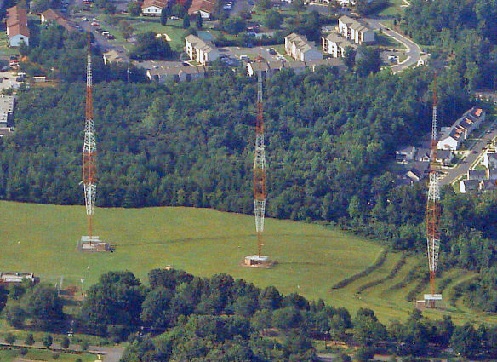
Today’s AM broadcasters reduce carrier level to save money on their power bills. Here is a summary of the modulation dependent carrier level methods. Read more

The KiwiSDR server is a wonderful mid-range software defined receiver that you can share with your friends all over the world. It is designed from the ground up for remote listening. Read more
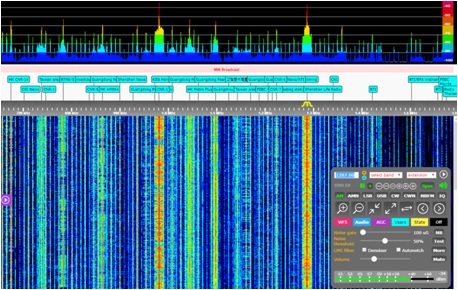
OpenWebRX remote listening is a ton of fun. Use your browser to connect with over 200 SDR radios online from all over the world. Very easy to use. Read more

In a matter of minutes, you can have your radios up and running on the Internet with SDR Console Server. Remote SDR listening has never been easier. Give it a try. Read more

Remote SDR listening has become both easier and more necessary over the years. Now, with software defined radio, it’s a joy. Give it a try. Read more

Although you don’t know it, most AM broadcasters rapidly adjust their power up and down to save energy costs. The technique is called Modulation Dependent Carrier Level. Read more
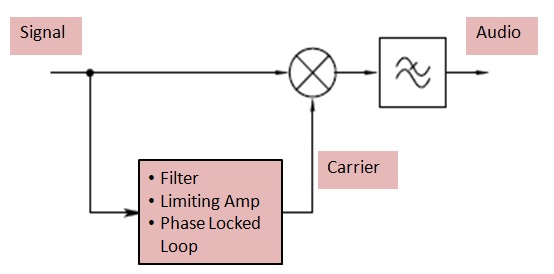
So, how do you implement synchronous detection? Lots of ways, it turns out. Some work better than others across a spectrum of complexity. Read more

To boost your understanding synchronous detection, let’s examine the impact of selective fading, distortion and weak signals on the AM detector in your receiver. Read more